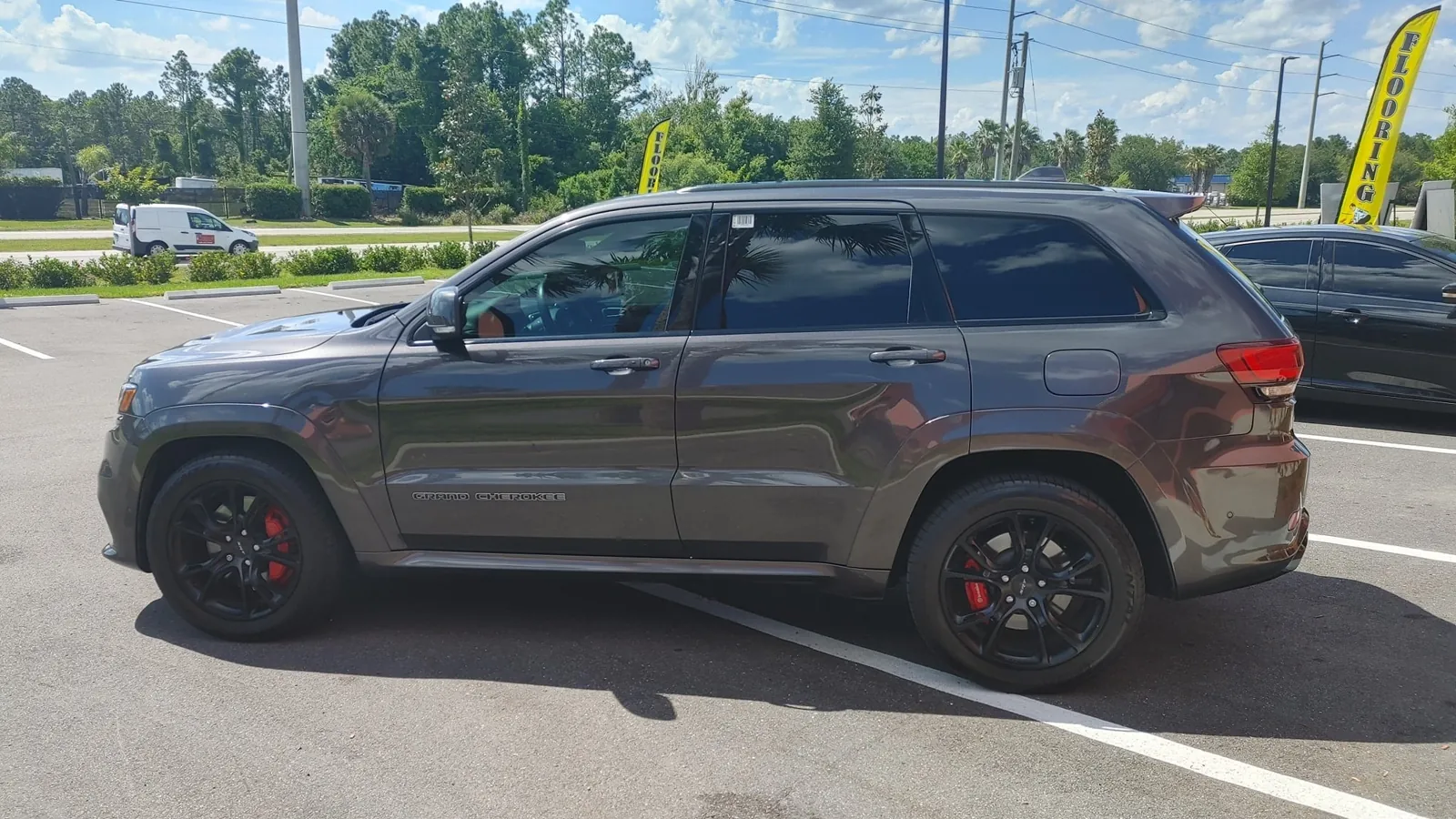
Car window tint that handles Florida heat.
Car Window Tint in Palm Coast & St. Augustine, FL
Three film levels, cut and installed in-house, with dialed-in shades and serious heat rejection.
Three film levels, explained without the sales pitch
Carbon film
A dyed-free carbon film that will not fade purple the way old cheap tint does. Good looks, solid UV block, moderate heat reduction. The right pick if the look and privacy matter most.
Nano-ceramic film
Ceramic particles in the film reject much more of the heat you feel on your arms and face, even in lighter shades. Clear view at night, no signal interference.
IR ceramic film
Our top level. Built to block the infrared that makes a black interior unbearable after an hour at Town Center. If you want to keep the fronts lighter and still feel a difference, this is it.
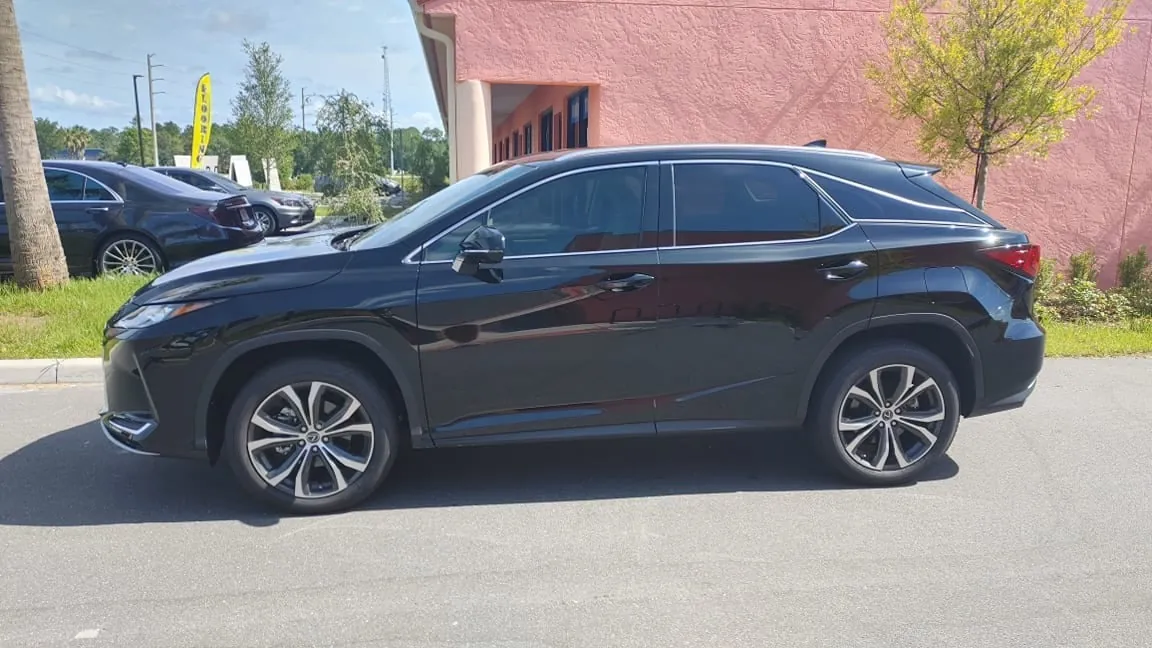
What a tint appointment looks like
- We look at the car with you and show film samples on the actual glass.
- We dial in the shade and the look you want, front to back.
- The glass is deep-cleaned, film is cut to fit, and the back glass is heat-shrunk to the curve in one piece.
- We walk you through care: no roll-down for a few days, no ammonia cleaners, soft towel only.
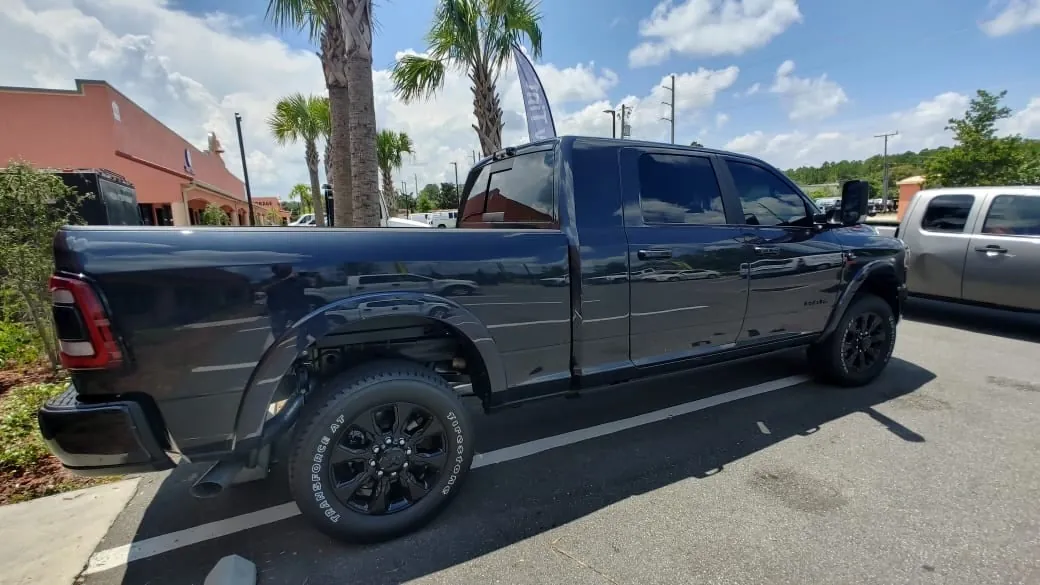
Trucks, SUVs and vans
Florida treats multipurpose vehicles differently. Behind the driver, you can go as dark as 6%, which is why so many trucks around Bunnell and the west side run limo-dark rears. The front doors still have to meet 28%. We will match the fronts as closely as the law allows so the truck does not look two-toned.
Full-size vans and passenger vans, including Transits and Sprinters, are welcome. Bring the work van too.
Driving up US-1 or A1A to St. Augustine every day? We tint plenty of cars for folks on the St. Johns side as well. See window tint in St. Augustine.
Window tint questions
What tint percentage is legal in Florida?
On a car or sedan, the front side windows must let in at least 28% of visible light and the back side and rear glass at least 15%. On SUVs, trucks and vans, windows behind the driver can go to 6%. The windshield can only have non-reflective tint above the AS-1 line. See our Florida tint law page for the statute text.
Will ceramic tint interfere with my phone or GPS?
No. Ceramic and carbon films contain no metal, so cell signal, GPS, keyless entry and toll transponders work the same as before.
How long before I can roll the windows down?
Give it three to five days. Florida heat actually helps the film cure faster. Small haze or water pockets are normal for the first few days and clear on their own.
Ready when you are.
Tell us the year, make and model and what you are after. We will get back to you with options and an honest answer.